


What Makes Manuka Honey Different?
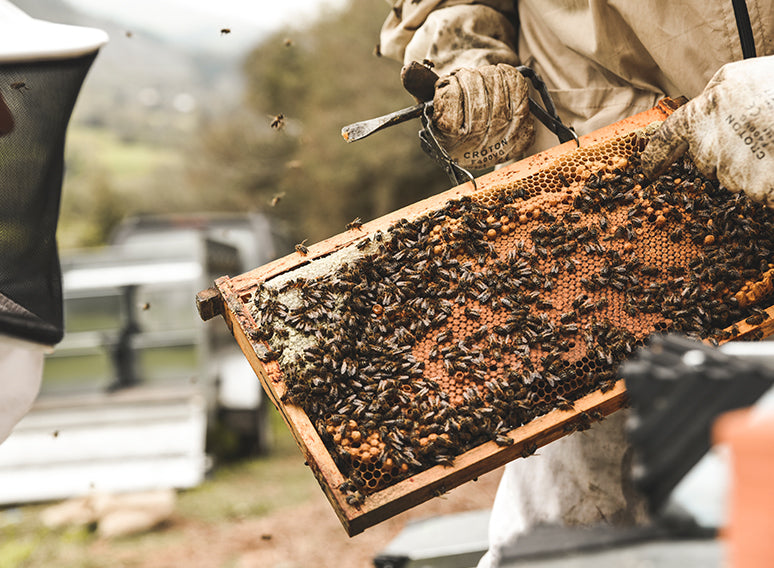
Honey has been used in many cultures to treat wounds because of its antibacterial and regenerative properties, dating as far back as Ancient Egypt.¹ Honey’s high sugar content can hinder microbial growth, and its osmotic effect helps prevent bacteria growth and promotes healing.²
Manuka honey has the glucose oxidase (GOx) enzyme needed to produce hydrogen peroxide (H2O2). This is essential for antibacterial activity. GOx, however, is not active in raw honey due to the lack of free water.³
While all honeys contain some level of peroxide activity (PA), Manuka honey contains high levels of non-peroxide activity (NPA), related to its unique methylgloxal (MGO) and dihydroxacetone (DHA) content. Crucial for honey’s medical benefits in wound care.

What is Medical Grade Honey?
The definition of the basic requirements of ‘medical grade’ honey are well defined and extensive research has been published outlining what medical grade, specifically Manuka, honey is, and defining the elements required for a safe and medically effective product. Hermanns et al., for example, has outlined five minimum requirements to help define and promote clear standards for medical grade Manuka honey:
• Is organic and free of contaminants and toxic substances,
• Is gamma sterilised under standardised conditions and free of dangerous microorganisms,
• Can be safely implemented in medical therapies,
• Follows strict production and storage standards, and legal and safety regulations,
• Complies to the physicochemical criteria that are important for the use of honey as a wound care product.⁴
The 5 Main Benefits of Manuka Honey
01
Antibacterial
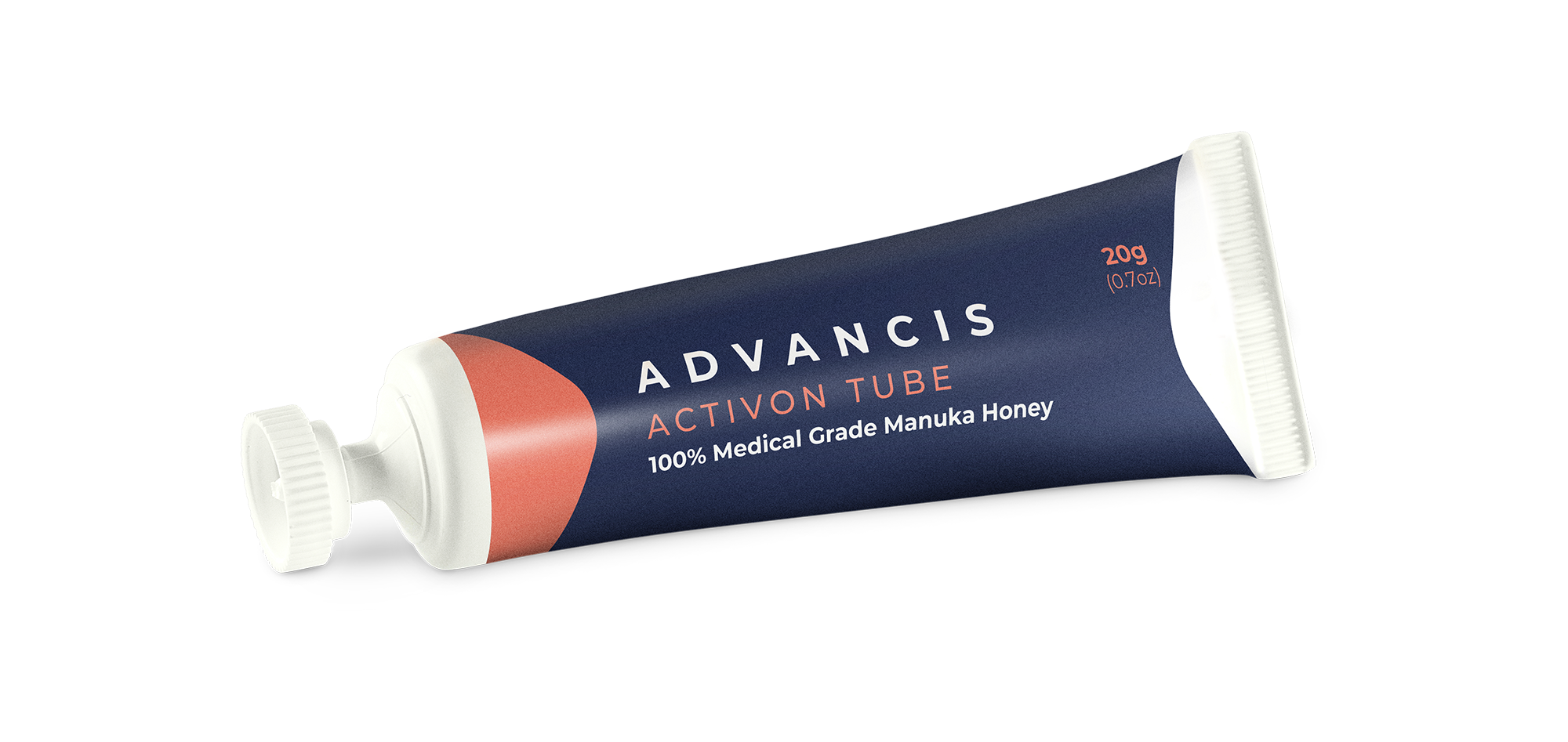
Our Manuka honey contains high concentrations of Methylglyoxal (MGO)⁵, a significant antibacterial component that continues to be effective giving Manuka honey its up to 7 day wear time.
02
Facilitates autolysis
Sugar naturally present in honey has the effect of drawing fluid out of the wound bed, known as the osmotic effect. This facilitates autolysis by drawing exudate from the wound removing slough.
03
Promotes granulation and epithelialisation
The osmotic effect also rehydrates devitalised tissue and encourages an outflow of lymph fluid, needed for cell growth and to promote granulation and epithelialisation.
04
Reduces odour
Odour in a wound is often caused by ammonia and other odorous products excreted by bacteria. When honey is introduced, bacteria feeds on the sugar, rather than the wound tissue causing the emitted by-product to become non-odorous lactic acid.
05
Maintains a moist wound healing environment
Our medical grade Manuka honey helps maintain a moist wound healing environment which can help speed up the wound healing process.
-
-
-
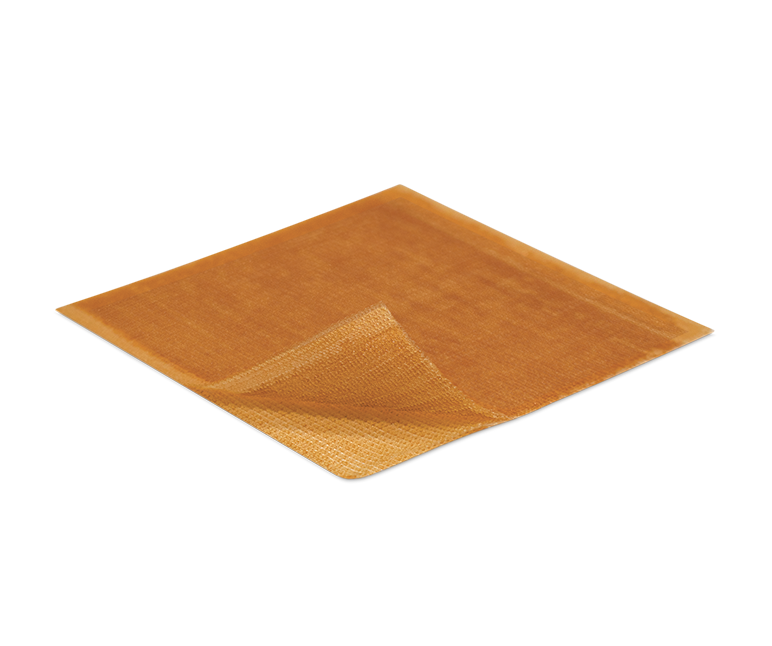
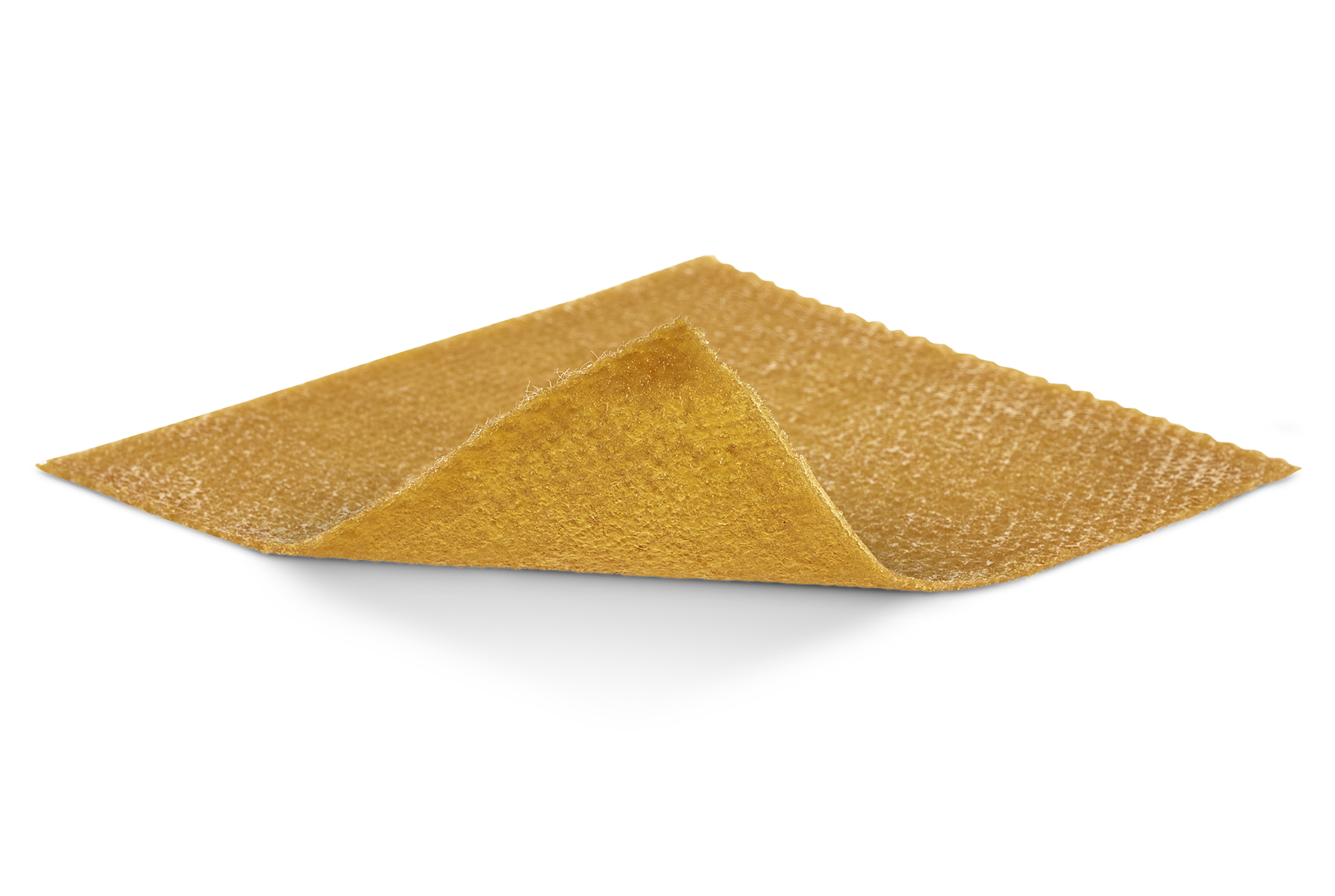
Actilite
Non-adherent viscose net dressing coated with 99% Manuka honey and 1% Manuka oil
-
-
-
-



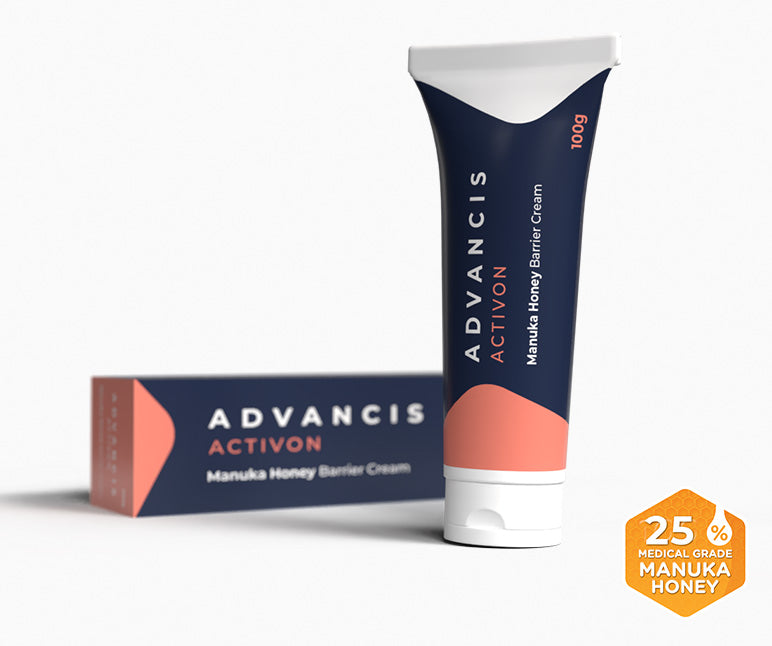

Need a Secondary Dressing?
Eclypse range of superabsorbers are ideal for absorbing excess slough removed by Activon Manuka Honey.
References
1. Speer, S.L.; E Schreyack, G. Manuka Honey: A Tissue Engineering Essential Ingredient. J. Sci. Eng. 2015, 6, 1–3.
2. Johnston, M.; McBride, M.; Dahiya, D.; Owusu-Apenten, R.K.; Nigam, P.S. Antibacterial activity of Manuka honey and its components: An overview.AIMS Microbiol. 2018, 4, 655–664.
3. Cooper, R and Gray, D (2012) Is Manuka Honey a Credible Alternative to Silver in Wound Care? Wounds UK, Vol 8, Is 4.